


Archaeological sites
The area of today’s municipality of Cerklje na Gorenjskem holds many traces of its former inhabitants.
Archaeological sites
Between Šmartno and Poženik the route of a Roman road has been discovered, with a cemetery alongside it. The road linked the settlements along the Pšata and remained in use long after the end of the Roman period.
Its long use is attested by many finds from different centuries – from Roman coins and iron hobnails from the soles of Roman shoes to objects from the early Middle Ages.
The cave below Stiška vas bears witness to the turbulent times at the end of the Roman Empire. A hoard of late antique coins was found in it, and two crosses are carved into the rock face inside.
The site is interesting evidence of events in the Cerklje area in late antiquity, when in times of uncertainty people sought out remote, naturally protected places.
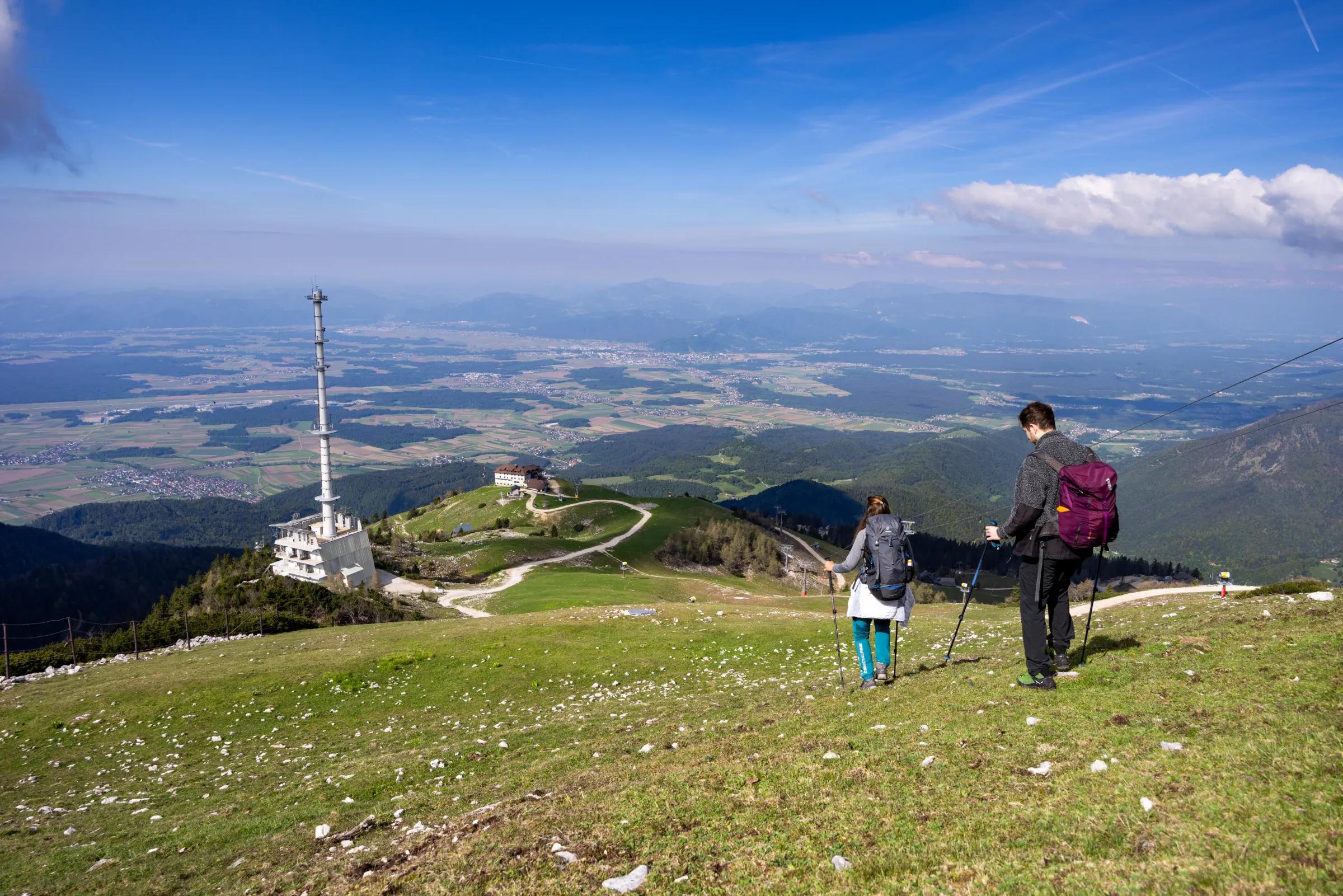
Archaeological finds show that people ventured into the high mountain world of Krvavec very early on. A Neolithic site has been recorded at Gospinca, a Bronze Age settlement on Kriška planina, and traces of Iron Age and Roman settlement elsewhere on Krvavec. Research at Blek is particularly interesting: archaeologists found traces of early medieval settlement from the 9th and 10th centuries. The finds show early use of the high mountains and the lives and activities of people in the area of today’s Krvavec.
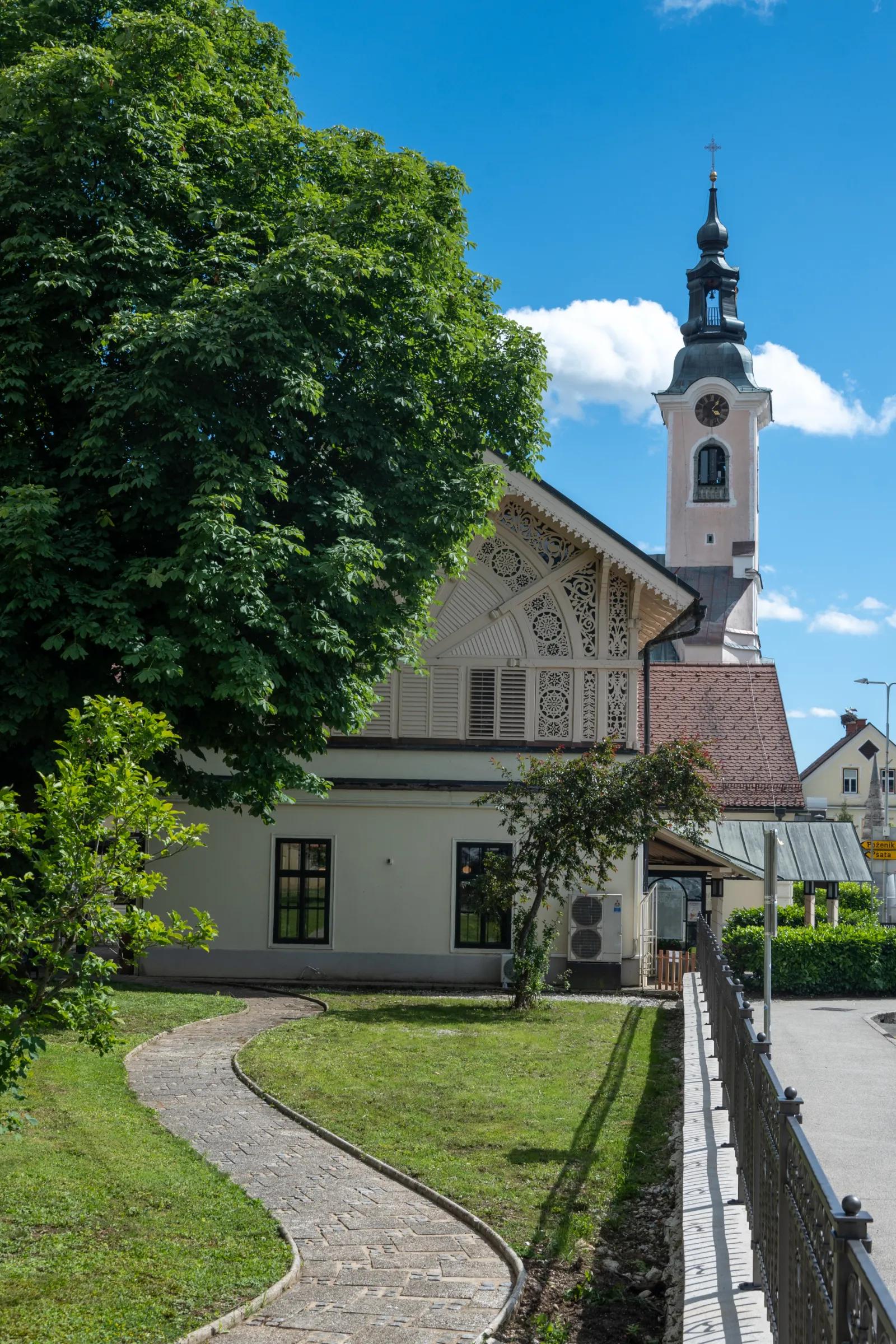
Archaeologists also made important discoveries in the very centre of Cerklje. During excavations next to the parish Church of the Assumption of Mary in 2019 they found a Slavic cemetery, which contributed significantly to our knowledge of early medieval settlement in the town.
The excavations also revealed the remains of a later fortified camp built against Ottoman raids. Parts of the walls, one of the four defensive towers and traces of buildings of the former parish centre have survived.
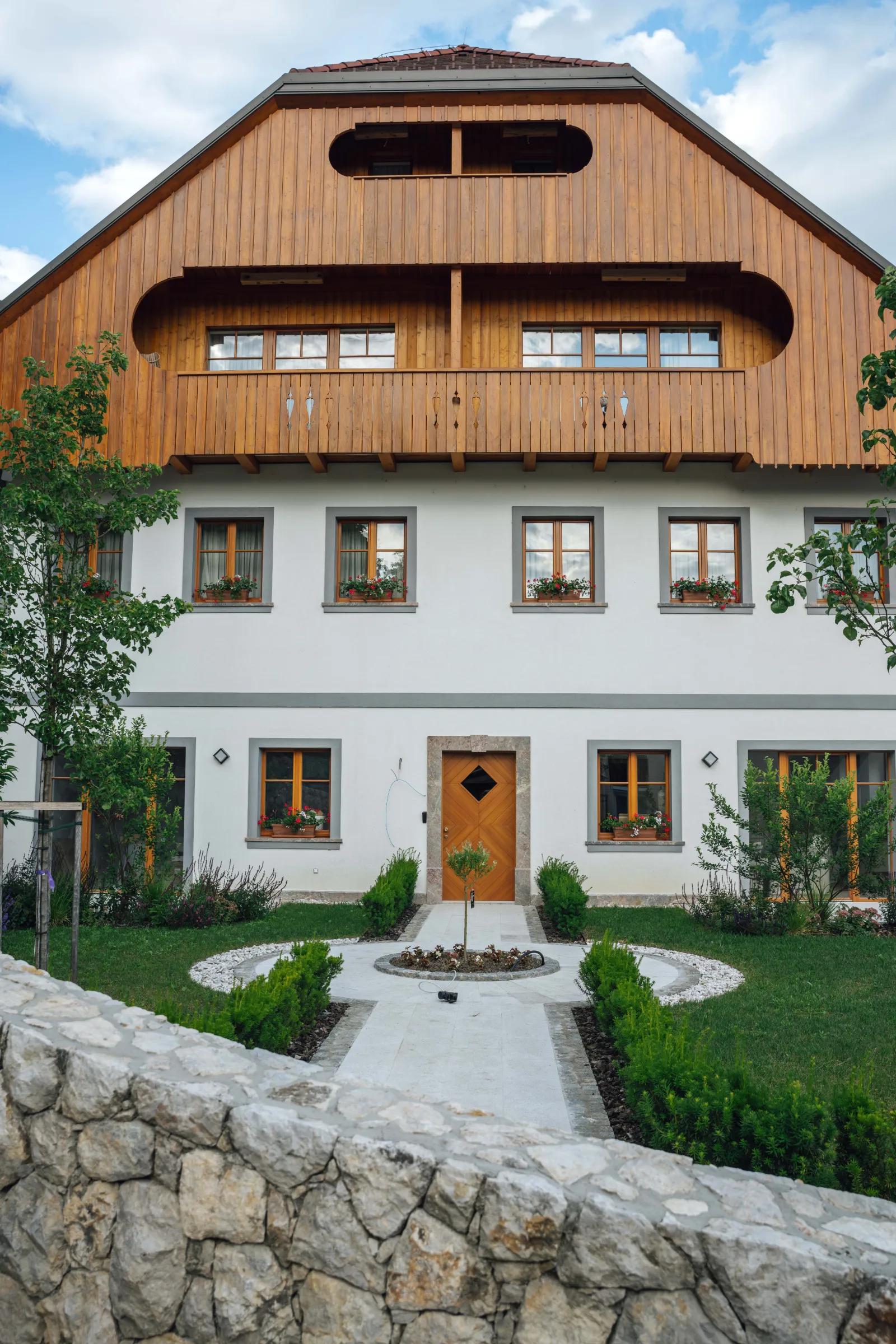
Visitors can learn more about the earliest settlement of the area at the Cerklje Municipal Museum in Hribar Villa, where a permanent archaeological exhibition presents the development of the area from prehistory to the Middle Ages.
The area of today’s municipality of Cerklje na Gorenjskem holds many traces of its former inhabitants.
In Cerklje na Gorenjskem stands the birthplace of Fran Barle, one of the most important organisers of the Slovenian fire service.
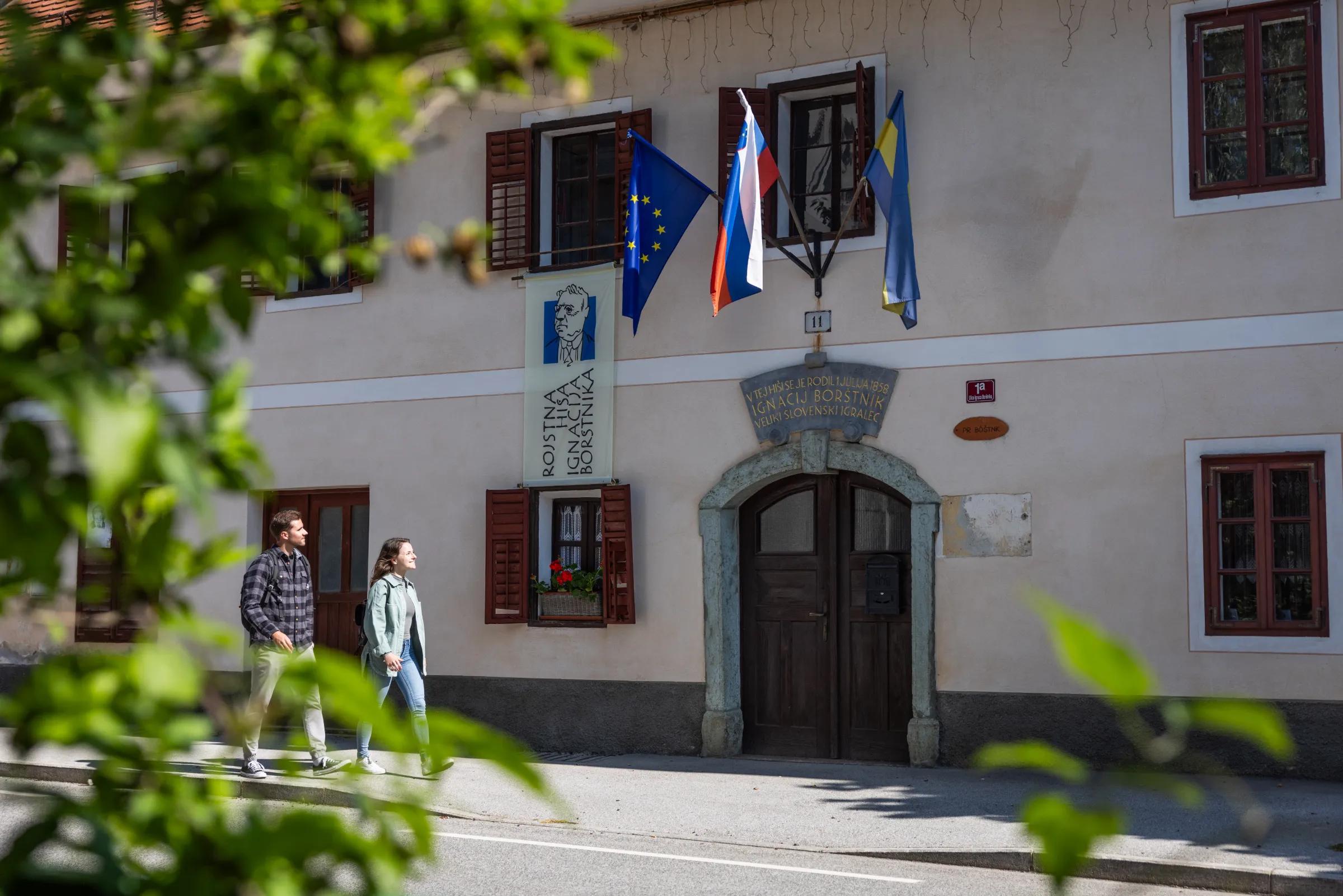
In Cerklje na Gorenjskem stands the birthplace of Ignacij Borštnik – actor, director and teacher, and one of the founders of Slovenian professional theatre.