
The impacts of climate change on tourism in Cerklje na Gorenjskem
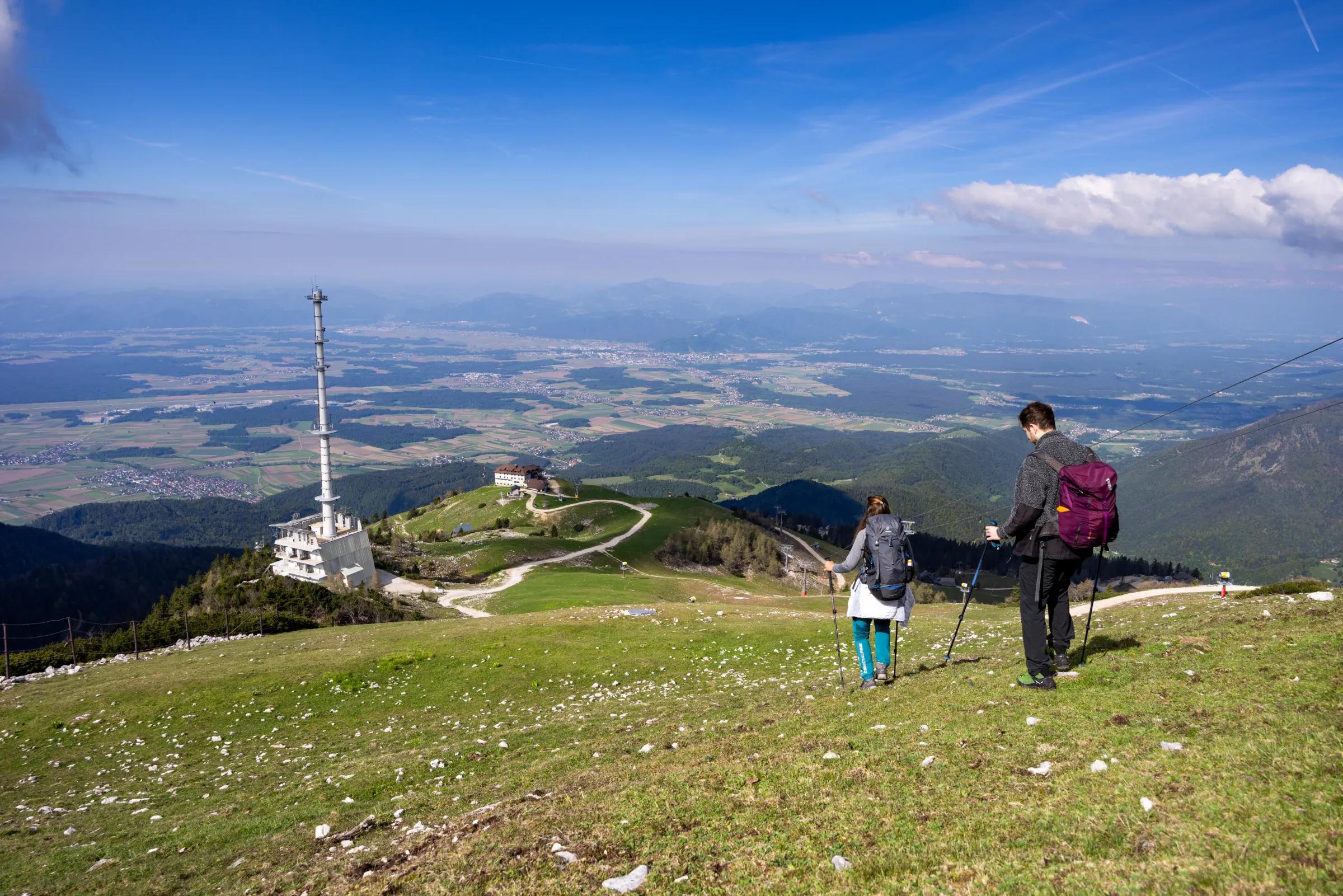
Mountain ecosystems are among the areas that are particularly vulnerable to climate change. This is also true of the Krvavec area, where the effects of global warming are already evident in shorter winters, smaller amounts of natural snow and changing precipitation patterns.
According to the research project Climate Change and the Sustainable Development of Slovenian Tourism (ARRS CRP V7-2128, 2024), Slovenia is warming faster than the global average. Over the last decade, the average air temperature in Slovenia was approximately 2.1 °C higher than in the period 1850–1900.
The effects of climate change are seen mainly in:
- higher winter temperatures,
- shorter snow seasons,
- declining amounts of natural snow,
- less favourable conditions for snowmaking,
- more frequent intense rainfall events.
What do the projections show for Krvavec?
Copernicus projections for the Krvavec area indicate that, under an intermediate climate scenario, the number of days with at least 30 cm of natural snow could fall by approximately 30% by the end of the century, and the number of hours suitable for snowmaking by approximately 100 hours.
This means greater challenges for winter tourism, for the management of the ski resort and for adapting the tourism offer to changing climate conditions.
Why does this matter?
Climate change affects not only ski resorts but also the local community, the economy and visitors. Preserving the natural environment, reducing greenhouse gas emissions and using natural resources responsibly are becoming key factors in the long-term competitiveness of a tourist destination.
By choosing sustainable forms of mobility, reducing our energy and water consumption, supporting local providers and behaving responsibly in nature, we can all help to mitigate climate change.
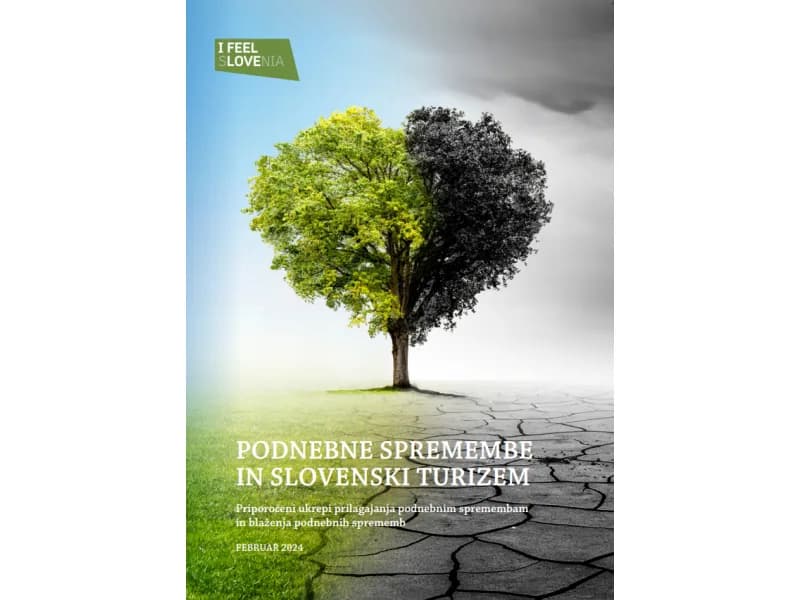
(Source: Climate Change and Slovenian Tourism (opens in a new tab), Feb. ’24, ARRS CRP PROJECT V7-2128)
What measures can tourism businesses take to adapt to climate change and mitigate its effects?
You can print the infographic HERE
Source: Meteo Arso information - >
What is the outlook for climate change in Slovenia up to the end of the 21st century?
Climate change projections for Slovenia show that the country will continue to warm throughout the 21st century, with temperatures rising faster than the global average. The most significant expected changes include more frequent and more intense heatwaves, milder winters with less snow cover, changes in precipitation patterns, a greater risk of drought in summer and more frequent extreme weather events such as heavy rainfall and flooding. These changes will have a major impact on ecosystems, agriculture, water resources and tourism, which is why measures to mitigate and adapt to climate change will be of key importance.
See also: Assessment of climate change in Slovenia up to the end of the 21st century (opens in a new tab)
The Slovenian Tourist Board has also prepared an action plan addressing the consequences of changing climate conditions. You can read it here. (opens in a new tab)
Want to find out more? Discover sustainability content, tips, guidelines and activities of the Cerklje na Gorenjskem Green Destination on our 👉 Green Destination page.